


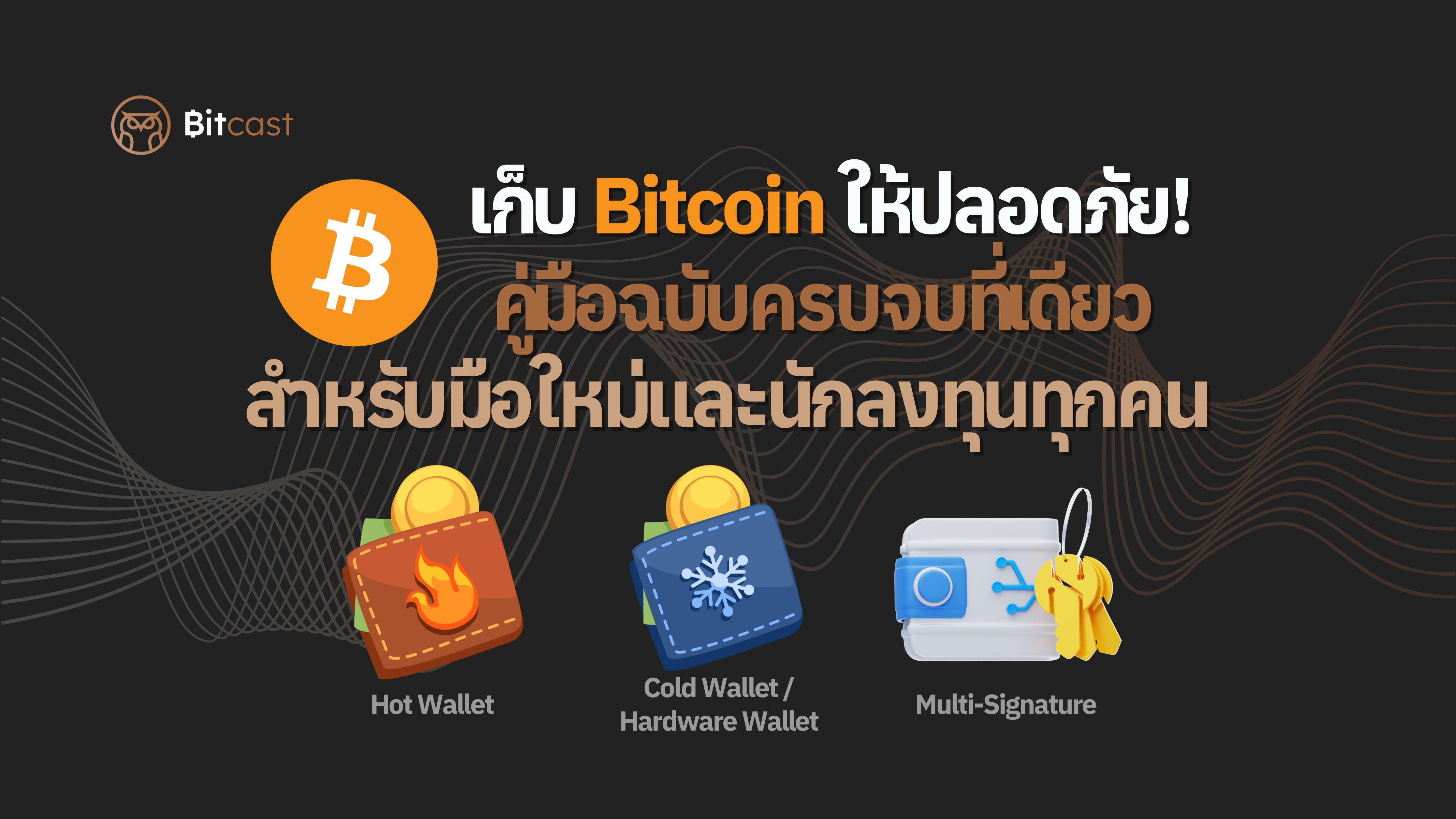
Storing Bitcoin... Which method is safe and secure?
Why is Bitcoin Storage Important?
In the world of Bitcoin, true ownership means controlling your own "Private Key." Always remember: "Not Your keys, Not Your Coins." This private key is the ultimate secret code that allows you to spend your Bitcoin. If you lose your key, you will never be able to access your Bitcoin again, as no one can recover it in a decentralized Bitcoin system.
Self-custody of Bitcoin means that you truly own and control your money, without relying on banks or intermediaries. This is the heart of financial freedom in the crypto world, but it also comes with full responsibility for keeping your private key safe.

Private Keys and Public Keys / The Heart of Bitcoin
Private Key: The Key to Your Assets
A Bitcoin private key is a highly complex, unique secret code (256 bits). It's not just a password; it's a "digital signature" used to verify transactions and prove you own the funds. Without this key, you cannot access your Bitcoin. This key is generated by your wallet, not chosen by you, for maximum security.
Public Key and Bitcoin Address: For Receiving Funds
A public key is generated from your private key and can be shared with others, similar to your bank account number, to receive Bitcoin. A Bitcoin address is a shortened version of the public key, used for receiving funds.
How do they work together?
When you set up a wallet, the system automatically generates a key pair (private and public) for you. The public key is used to create an address for receiving funds, while the private key is used to access and move those funds.
Most importantly, keep your private key a secret! That's all.
Never disclose your Bitcoin private key to anyone. Anyone who knows this key can instantly take your Bitcoin. If the key is lost, it's like losing money forever, because Bitcoin has no "customer service" to help you recover it.
Wallets / Who Controls the Keys?
Custodial Wallets: Someone Else Controls the Keys
A custodial wallet means you entrust your private key to an intermediary, such as a crypto exchange (Bitkub, Binance). You can access your funds, but the intermediary controls the key. The downside is that if the intermediary runs into problems (e.g., bankruptcy like FTX in 2022), you might lose your money. It's convenient for beginners or frequent traders, but you don't truly own your Bitcoin.
Non-Custodial Wallets: You Control Your Own Keys
A non-custodial wallet means you hold all your private keys yourself. There's no intermediary. You have complete freedom and true ownership of your Bitcoin. While it might be more complex to set up, it's significantly more secure. The caveat is that if you lose your keys or recovery phrase, you'll lose your funds forever. Hardware, software, and paper wallets are all non-custodial.
Choosing a wallet means choosing between "convenience" and "full control." Custodial wallets offer convenience, like a bank, but require you to trust an intermediary. Non-custodial wallets mean being your "own bank," which is more secure, but you bear all the responsibility.
Types of Bitcoin Wallets
Hot Wallets: Convenient but Risky
Hot wallets are digital wallets that are always connected to the internet. They are convenient, fast, and mostly free.
Types
- Web/Browser Extensions: Least secure, as keys might be on the platform's server.
- Mobile: Applications on smartphones, convenient for portability.
- Desktop: Programs installed on computers; you control your own keys.
Pros
- Convenient: Transactions can be done instantly.
- Easy Transfer: Easy to transfer to and from exchanges.
- Recoverable: Most have a recovery phrase.
- Earn Interest: Some might offer interest.
Cons
- Hacking Risk: Because they are always connected to the internet, they are vulnerable to online attacks.
- Theft Target: If you store a lot of money, you become a prime target.
- Specific Risks: Mobile wallets risk SIM Swaps, web wallets risk platform breaches.
Suitable for
- Frequent trading or small transactions.
- Storing "spending money" that needs easy access.
Cold Wallets: Maximum Security
Cold wallets are devices or methods that store private keys offline, never connecting to the internet. They are considered the most secure against online attacks.
Types
- Hardware: Electronic devices for storing keys in a secure chip, such as Trezor, OneKey, Keystone (you can check out hardware wallets through official distributors like Bitcast).
- Paper: Public and private keys printed on paper. Previously popular, but now considered outdated and less secure.
Pros
- Maximum Security: Not connected to the internet, safe from hackers and malware.
- Ideal for Long-Term Storage: Best for storing large amounts of Bitcoin.
- Isolated Private Keys: Generates and stores keys offline.
Cons
- Cost: Hardware wallets must be purchased (approximately $50-$250).
- More Difficult to Use: Accessing funds is more complex, requiring additional steps.
- Physical Risk: Vulnerable to damage, loss, or theft.
- Specific Risks (Paper): Easily lost/damaged, human error, fake websites.
Suitable for
- Storing large amounts of Bitcoin.
- Long-term holding (HODL) without frequent access.
- Those who prioritize maximum security.
Choose Your Storage Strategy
The choice of Bitcoin storage method depends on you.
- Amount of Bitcoin: Small amounts prioritize convenience, large amounts prioritize security.
- Usage Frequency: For frequent use, choose a Hot Wallet; for long-term storage, choose a Cold Wallet.
- Technical Knowledge: Advanced Multisig or Cold Storage requires more technical knowledge.
- Acceptable Risk: How much risk are you willing to accept?
Use Both (Hybrid Approach)
The best approach is to use both, similar to managing general finances.
- Hot Wallet: For small amounts used daily or for trading.
- Cold Wallet: For large investments, stored offline for maximum security.
- This method provides both convenience and security simultaneously.
Tips for Your Bitcoin Security
Protecting Your Private Key and Recovery Phrase: Most Important!
- Never Disclose: Never tell anyone your private key or recovery phrase.
- Store Offline and in Multiple Locations: Write down your recovery phrase on paper and store it offline in several secure, separate locations.
- Use Metal: Engrave your recovery phrase onto metal (e.g., Trezor Keep Metal) to protect against fire and water damage.
- Do Not Store Digitally: Never save keys in files, images, emails, or upload them online.
- Encrypt/Password Protect: Encrypt all backups and devices. Use strong passwords.
- Use a Passphrase: Add an extra word to your recovery phrase for an additional layer of security (you can read more about this in the article here).
Mistakes to Avoid
- Not Backing Up Recovery Phrase: If lost, it's permanently gone.
- Leaving Funds on Exchanges for Too Long: Exchanges are not for long-term storage; they risk hacking or bankruptcy.
- Falling Victim to Fake Wallets/Phishing: Always verify apps and URLs.
- Not Using 2FA or Multisig: A single layer of protection is not secure enough.
- Improper Hardware Wallet Management: Setting up on an insecure computer or losing the device without a backup.
- Buying Hardware Wallets from Untrustworthy Intermediaries: Purchase directly from the manufacturer or reputable official dealers only.
- Disclosing Bitcoin Information: Don't tell anyone how much Bitcoin you have.
Advanced Tips
- Update Software: Always update wallets, firmware, and operating systems.
- Test Recovery: Periodically practice recovering your wallet from a backup.
- Don't Reuse Addresses: Use Bitcoin addresses only once for privacy.
- Estate Planning: Plan how to securely pass on your recovery phrase to your loved ones.
Bitcoin security relies not only on technology but also on your caution and responsibility. Learning and following these guidelines will help you become your "own bank" with confidence.
Summary: Owning Bitcoin with Confidence
Taking custody of your own Bitcoin is a journey toward financial independence. By understanding the role of private keys and various storage methods, you can truly protect your digital assets.
Whether you choose a Hot Wallet for convenience, a Cold Wallet for maximum security, or Multisig for shared control, your choice should align with your needs, acceptable risk, and technical knowledge. A hybrid strategy often provides the best balance between security and accessibility.
The best practices in this guide are your shield in the digital world. Diligently protecting your private keys, choosing reliable tools, and maintaining continuous vigilance are paramount. By embracing the responsibility of self-custody, you unlock Bitcoin's full potential. With knowledge and discipline, you can navigate the world of Bitcoin storage with confidence and secure your own financial future.


แชร์:
Find the right hardware wallet, easily and without fear of making a mistake. Everything you need at Bitcast.
Tangem VS Tapsigner: The Battle for the Hardware Wallet Card Crown! Which one is right for you?