


Many people entering the crypto world start looking for self-custody solutions, and Hardware Wallets are a popular choice for self-custody of coins.
In this article, I want to present another perspective before many people, especially beginners, decide to use Hardware Wallets for their digital assets. Let's get started.
1. Understanding Seed Phrase Management
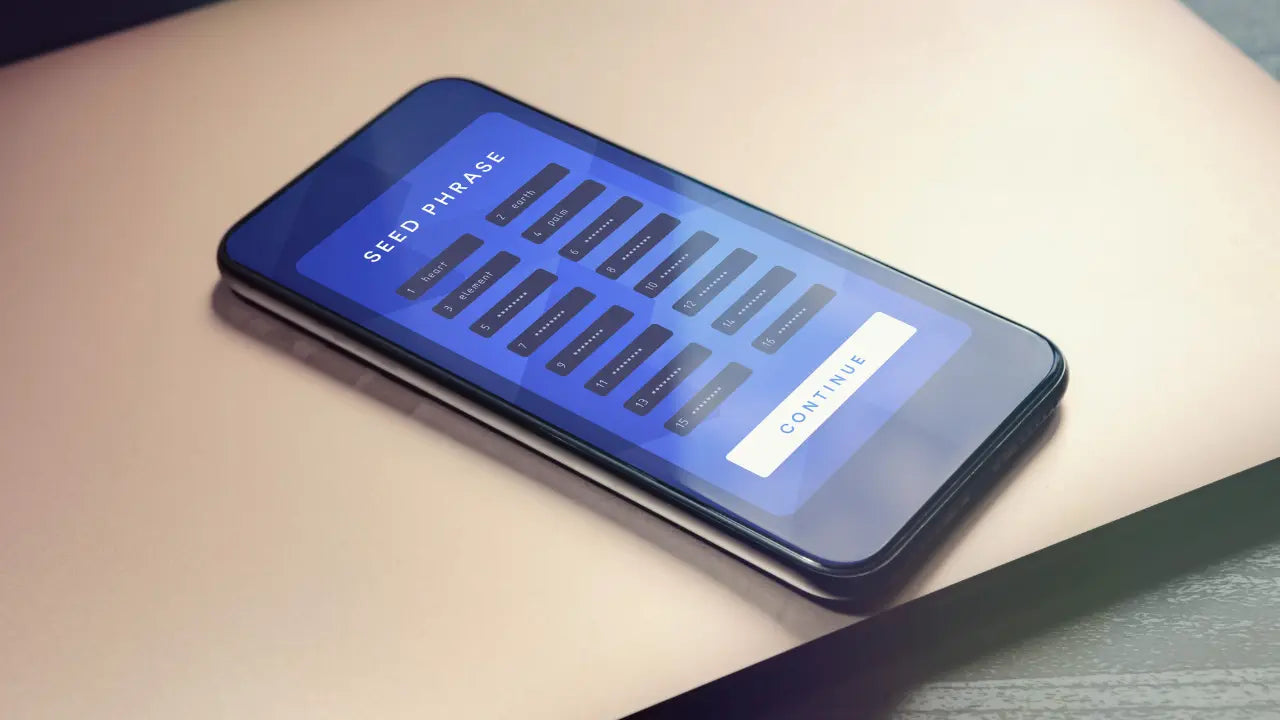
This is our top priority because the risk of self-custody of Digital Assets lies in safeguarding your Seed Phrase, which is the 12 or 24 words you write down. If you lose control of your assets, no one can help you with depositing, withdrawing, or staking coins on DeFi platforms. If your Seed Phrase is exposed, others can access your wallet. If you lose it, you will lose access to your wallet forever.

If you are unsure whether you can adequately manage your Seed Phrase, or if you fully understand self-custody of Digital Assets, keeping your assets on an Exchange might be an option. However, entrusting your Digital Assets to an Exchange means you are relying on someone else to manage them. How much do you trust them? If the Exchange shuts down and disappears, your Digital Assets could also be lost.
You should compare the risks. A Hardware Wallet isn't for everyone. Many of my friends don't use Hardware Wallets for various reasons, such as frequent trading or not yet learning how to self-custody coins. They can use several Exchanges in Thailand regulated by the SEC.
2. The risks of various transactions on the Blockchain

Before safely using a Hardware Wallet, we must understand how transactions work on the blockchain. Any transaction on the blockchain requires us to manually "Sign" it. Before signing, we must know the implications of that signature on our wallet. For example, "ApproveForAll" means allowing a Smart Contract full access to our wallet. Many have incurred losses by signing things they didn't truly understand.
Before making any transaction, you should thoroughly research it because once confirmed, a transaction cannot be reversed.
3. Risk of Firmware Attacks
Let's first understand what firmware is and what it does.
Firmware acts as an intermediary for storing and managing your Private Key, which is crucial for accessing your Digital Assets. When you perform a blockchain transaction, the Private Key is never transmitted from the Hardware Wallet, even when connected to the internet.
Hardware Wallet manufacturers frequently release firmware updates to enhance security and patch vulnerabilities found in older versions. Updating firmware is essential to protect against attacks and improve device performance.

The risk of firmware attacks is that vulnerabilities may allow malicious actors to compromise and access your data. If you update your firmware, ensure it's from the official website and avoid downloading software from untrustworthy sources. Alternatively, choose a Hardware Wallet with open-source firmware, such as OneKey, Keystone, or Trezor.
4. Risk of using with Insecure Devices
Using a Hardware Wallet with an insecure computer or phone, such as a device without antivirus software or an outdated operating system, can increase the risk of attacks. Even using counterfeit software can lead to potential compromises.

5. Transaction Fees on the Blockchain
Many people may not fully understand blockchain transaction fees. Sometimes, when we transfer coins that are not native tokens to a Hardware Wallet, we can't proceed with the transaction because there's no native token to pay the fees. We're so used to PromptPay that we've forgotten that interbank transfers used to incur fees.

Blockchain transaction fees vary depending on network congestion, which fluctuates. You need to monitor when fees are low. Many people are surprised by how much higher these fees can be compared to Exchanges on some blockchains, like Ethereum. For those who trade frequently, storing Digital Assets in a Hardware Wallet may not be suitable.
Brief Summary of Hardware Wallet Usage
A Hardware Wallet may not be suitable for everyone; it depends on your usage and understanding of 100% self-custody of Digital Assets. No one can take your Digital Assets unless you lose them yourself.
This differs from storing coins on an Exchange, which is easy and convenient for custody. However, it means entrusting your Digital Assets to others, which carries its own risks if an unregulated Exchange closes down and disappears with your money.
While Hardware Wallets offer high security, potential risks still exist. Preparing and thoroughly researching before use can help mitigate these risks and enhance the security of your digital assets.
Not your keys, not your coins. If you have any recommendations, please share them. See you in the next article.
แชร์:
What should I do if I know my Seed Phrase is lost?
Trezor Safe 5 Hardware Wallet launched in 2024: What are its key features?
1 comment
เป็นบทความที่มีประโยชน์มากครับ