


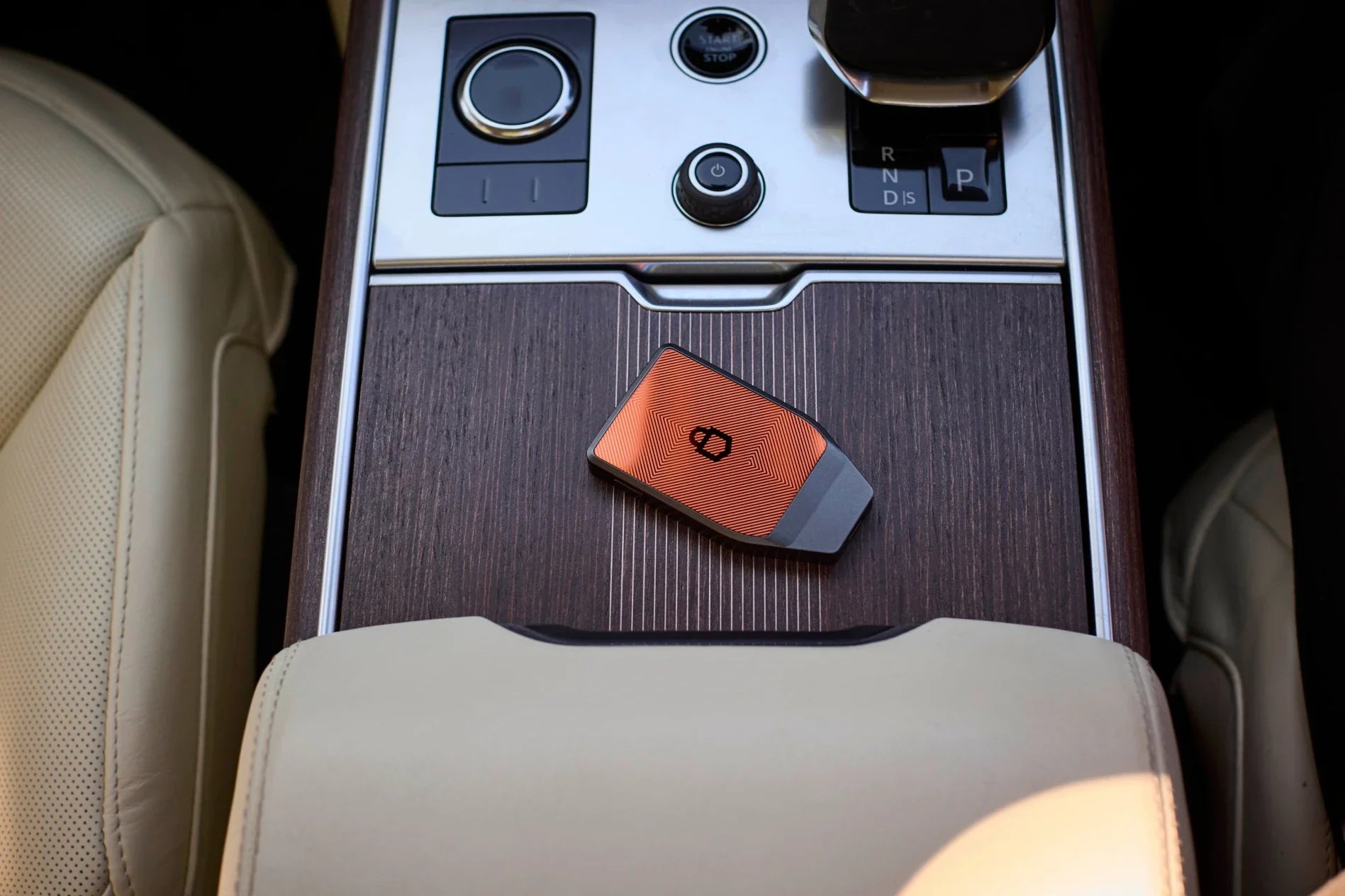
- Understand how a hardware wallet works
- Choose a brand with a proven track record and history
- Choose a brand that discloses the source code for both hardware and firmware
- Choose a model suitable for your usage
- Choose a model that fits your budget
- Purchase directly from the manufacturer or an authorized reseller
- Choose a seller with after-sales service
Understand how a hardware wallet works
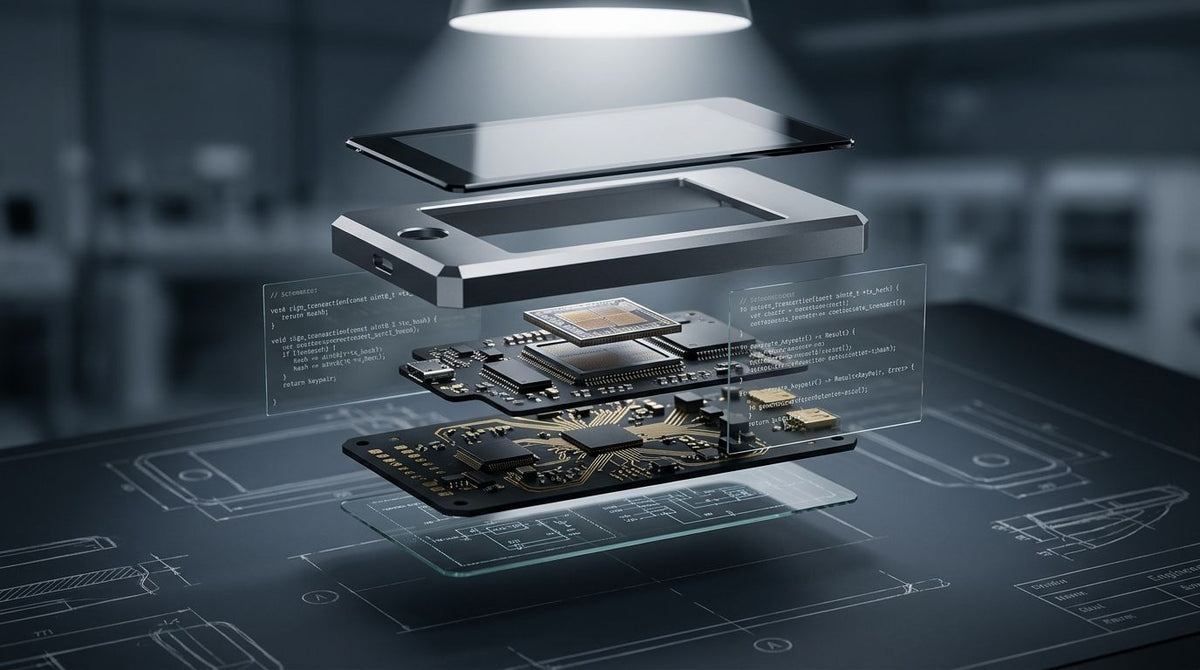
Before deciding to buy a hardware wallet, beginners should first understand its basic principles to ensure correct and secure usage from day one. A hardware wallet does not actually store crypto coins within itself, but rather stores the Private Key, or the private key used to access and control digital assets on the blockchain.
The core operational structure involves the process of creating and storing a Seed Phrase, or recovery phrase, which is often a set of 12 or 24 English words. These words are randomly and securely generated within the device during initial setup. The Seed Phrase is then converted into a Private Key that cannot be exported. The primary security comes from the Private Key never leaving the device, even during transactions.
When sending or transferring assets, the hardware wallet receives transaction data from a computer or smartphone and then signs it with the Private Key inside the device before sending the signed transaction back to the network. This method ensures that even if a computer is infected with malware, the Private Key cannot be stolen. Therefore, users must understand that the screen on the hardware wallet is the final confirmation point that must be checked carefully before approving any transaction.
Furthermore, it is important to understand Firmware Updates, which are software updates that control the device to enhance security and add new features, as well as backing up data with a Seed Phrase, which is the only way to recover assets if the device is lost or damaged. Understanding these fundamentals will lead to more effective decision-making when purchasing and using a hardware wallet.
Choose a brand with a proven track record and history
Brand reliability is a crucial factor that should not be overlooked, as a hardware wallet is a device responsible for the security of high-value assets. Choosing a manufacturer with a long operating history helps mitigate risks from technical flaws or potential security issues.
Reputable brands in the market, such as Trezor, have been operating for over a decade with millions of users worldwide. This extensive service history demonstrates their ability to continuously resolve issues and improve products, as well as build a comprehensive ecosystem covering both software and customer support.
Reviewing a brand's history should consider several dimensions: years in operation, verifiable sales volume, reviews from real users in the crypto community, and responses to past security vulnerabilities. Professional brands will have a Responsible Disclosure process, which means they openly acknowledge and fix issues when vulnerabilities are discovered by researchers.
Brands with extensive experience have often been tested by the global security community and continuously improved, making them more trustworthy than newer brands without sufficient proof.
However, this does not mean that new brands are necessarily bad, but novice users should exercise extra caution and research thoroughly before making a decision. Choosing a reputable brand will help reduce anxiety and provide confidence in long-term use.
Choose a brand that discloses the source code for both hardware and firmware
Open-source, or the disclosure of source code, is a fundamental principle that fosters transparency and trust in the digital security industry. A manufacturer publishing both hardware and firmware code for public review indicates confidence in the product's quality and security.
Disclosed source code allows developers and security researchers worldwide to inspect and identify potential vulnerabilities. This process, known as a Community Audit, is significantly more effective than internal team reviews alone. If issues are found, the community can report them, and the manufacturer can address them quickly.
The benefits of open-source also include preventing backdoors or hidden access points that might be embedded for unauthorized access. When the code is open, anyone can verify that no suspicious functions are hidden. This also makes it possible to verify that the firmware installed on the device matches the published source code.
Reputable brands like Trezor disclose all their source code, while Ledger discloses some parts and uses a closed-source Secure Element for additional security. Both approaches have pros and cons, but for those who desire maximum transparency, choosing a fully open-source brand would be more suitable. However, it's crucial to consider this in conjunction with other factors.
Choose a model suitable for your usage
Hardware wallets come in various models designed to meet different needs. Choosing a model that suits your usage habits will help you get the best and most valuable experience. Beginners should assess their needs before making a decision.
For those just starting out with a simple portfolio, a basic model with a display screen and buttons may suffice. These devices typically support major coins like Bitcoin, Ethereum, and popular altcoins. They are compact and easy to use, ideal for long-term asset storage without frequent transactions.
On the other hand, if a user has a diverse portfolio and frequently uses DeFi or NFTs, they should consider models with touchscreens and faster processing.
These advanced models often feature Bluetooth or NFC for convenient connection to mobile devices, support a wider range of applications, and have a more modern user interface. Investing in a feature-rich model will be worthwhile for users who need high flexibility.
Other factors to consider include privacy needs. Some models support advanced features like CoinJoin or enhanced anonymity, which are suitable for users who prioritize privacy. Additionally, check if the model supports the cryptocurrencies you currently hold or plan to invest in, as some models may not support certain coins or tokens.
- Basic models: Suitable for beginners who want to securely store their main assets.
- Mid-range models: Feature touchscreens and support more coins, suitable for users with diverse portfolios.
- Advanced models: Offer comprehensive features, including wireless connectivity and additional security.
- Specialized models: Designed for specific uses, such as Bitcoin-only or Enterprise-grade.
Choosing a model that truly meets your needs will help save costs and avoid paying for unused features, while also preventing the need for a quick upgrade due to insufficient functionality.
Choose a model that fits your budget
Hardware wallets range widely in price, from a few thousand baht to tens of thousands. Allocating a budget appropriately requires considering both the value of the assets to be stored and long-term value for money. A general rule of thumb is to invest in a hardware wallet that costs approximately 1-5% of the value of the assets you wish to secure.
For beginners with a portfolio value not exceeding 50,000 baht, entry-level models priced at 2,000-3,000 baht are sufficient for basic needs. Devices in this category typically offer good quality and reliable security from leading brands. Although they may lack luxurious features, they can effectively protect assets.
If you have a medium to large portfolio, or assets valued at 100,000 baht or more, investing in mid-range to high-end models priced between 5,000-15,000 baht would be more worthwhile. These models offer additional security features, such as Secure Elements (at least two encryption chips from different manufacturers), larger color screens for easier reading and clearer transaction verification, and support for a wider range of assets.
Beyond the initial purchase price, consider supplementary costs such as backup devices for storing your Seed Phrase, like a Metal Backup Plate, which helps protect against fire or water damage, or purchasing a second hardware wallet as a backup device. While not mandatory, these expenses can significantly enhance security.
Viewing a hardware wallet as an Investment Protection Instrument rather than an expense will make the decision easier. Losing assets due to hacking or error can cost many times more than the device's price. Therefore, choosing a quality model within a reasonable budget is a wise decision.
Purchase directly from the manufacturer or an authorized reseller
The distribution channel is critically important for the security of hardware wallets, as there is a risk of devices being tampered with or counterfeited during transit. Purchasing from a trusted source will help minimize these risks.
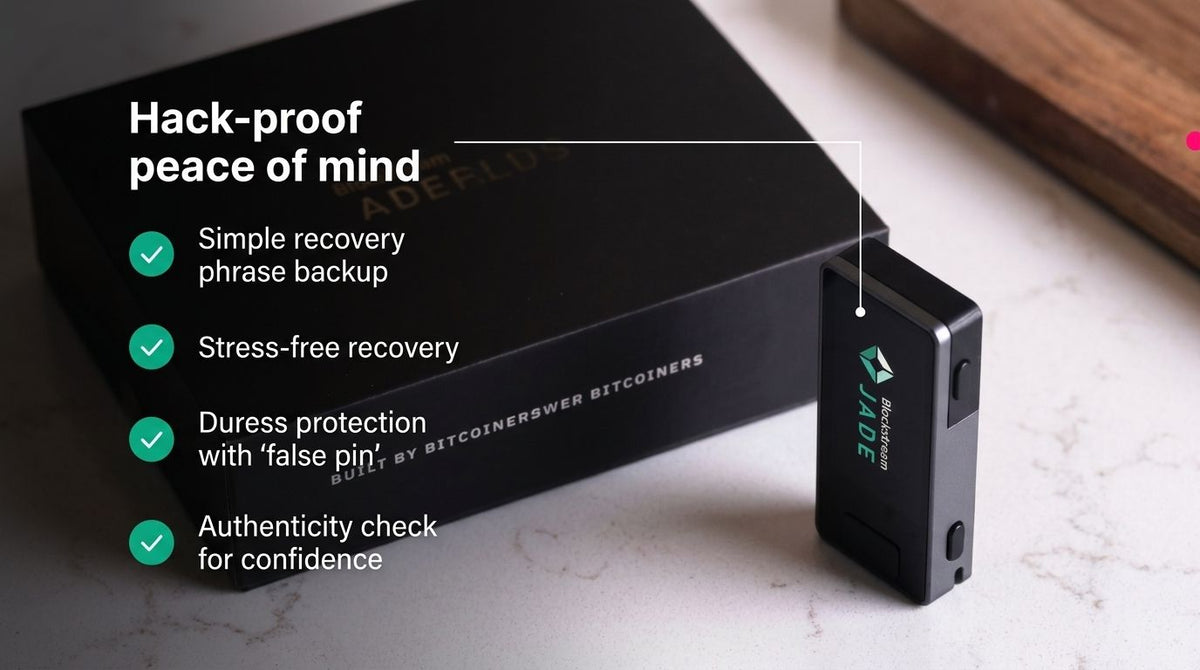
Ordering directly from the manufacturer's website is considered the safest method because products are shipped straight from the factory or official warehouse. Most manufacturers implement measures to verify device integrity, such as tamper-evident seals and authenticity checks that allow users to verify the product's genuineness through an application or website.
However, ordering from abroad may have limitations in terms of shipping time and additional customs duties. A good alternative is to purchase through an officially authorized reseller within the country. These resellers will be listed on the manufacturer's website and guarantee 100% genuine products.
| Purchase Channel | Pros | Caveats |
|---|---|---|
| Manufacturer's website | Highest security, guaranteed genuine product | High shipping costs, longer delivery time, potential customs duties |
| Authorized reseller | Faster delivery, local language support, after-sales service | Must verify actual authorization |
| General online stores | May be cheaper | Risk of counterfeit or tampered products. Not recommended. |
What should be absolutely avoided is purchasing from general marketplaces or unauthorized individual sellers. While the price might be lower, the risk of the device being installed with malware or having its Private Key leaked is extremely high. Furthermore, never buy used hardware wallets, as there is no guarantee that the previous owner did not keep the Seed Phrase.
Choose a seller with after-sales service
After-sales service is a factor often overlooked but is extremely important for new users. Having someone to consult and assist when problems arise can significantly reduce anxiety and increase confidence in using the device.
A good vendor should have clear and responsive contact channels, whether through Line, email, or phone. Having a support team that speaks Thai is a significant advantage, as users can accurately explain problems and receive clear advice, avoiding misunderstandings that may arise from language barriers.
In addition to technical support, a quality vendor should provide learning resources to customers, such as user manuals in Thai, videos for initial setup, and articles addressing common issues. These resources enable users to troubleshoot basic problems independently and learn how to use the product correctly.
Valuable additional services include workshops or free online courses that teach secure asset transfers, proper Seed Phrase backup, and transaction verification before approval. Vendors like Bitcast, which offers a Hardware Wallet selection guide and hands-on coin transfer workshops, demonstrate a commitment to building confidence in new users.
Product warranties and refund policies are also part of after-sales service. Vendors confident in their product quality will provide at least a 1-year warranty and a return policy if the product is found to have manufacturing defects. These policies demonstrate responsibility and readiness to support customers long-term.
Finally, consistent updates on news and security advice are crucial. A good vendor will notify users of new firmware updates, warn about emerging security threats, and recommend best practices for protecting assets. Having a partner who provides continuous support throughout the usage journey will make the experience of holding digital assets smoother and more secure.
Choosing a hardware wallet is not just about selecting a device; it's about choosing an ecosystem that will protect your assets long-term. A vendor with comprehensive after-sales service will be a valuable partner on your crypto journey, ensuring you don't face problems alone and receive the necessary support when needed.
แชร์:
Trezor Discloses 13,689 Customer Data Leak, Were Thais Affected? Full Summary and Prevention Methods
Transferring BTC to an exchange, 26 million baht gone in just 12 hours, all because of one mistake with Google Authenticator.