

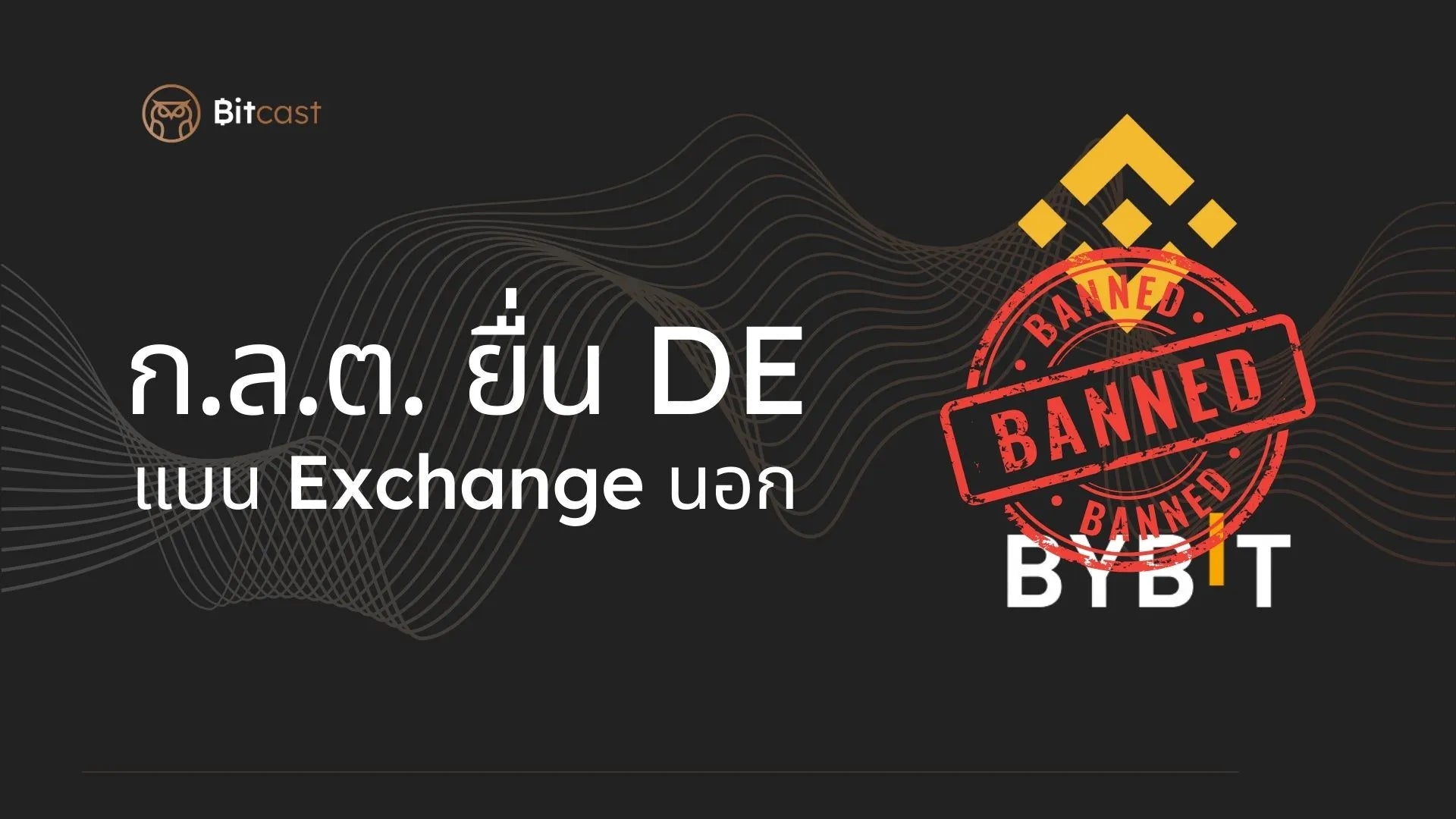
Following the hot news from the Securities and Exchange Commission (SEC) press release, "Coordinating with government agencies to block access to unauthorized digital asset service platforms," the interesting details are as follows:
"Blocking access to unauthorized digital asset service platforms to enhance law enforcement efficiency."
"It also prevents criminals from using them as channels to launder illicit assets."
"Consideration has been given to the impact on users of the platforms, allowing them time to manage their accounts before services become inaccessible."
"The SEC warns the public and investors to be cautious when using unauthorized digital asset business operators, as they will not be protected by law and face risks of being scammed, as well as money laundering risks."
Resolution of the Committee for the Prevention and Suppression of Cybercrime
On April 19, the Committee for the Prevention and Suppression of Cybercrime resolved that the SEC must submit information on unauthorized digital asset service providers to the Ministry of Digital Economy and Society (DE). The press release only mentioned Binance and Bybit, though it is believed there are more digital asset service providers than stated. Both Binance and Bybit have had issues with the SEC.
Past mistakes must be rectified, future risks must be prevented.
I understand that the SEC is trying to warn investors, and I commend their efforts. However, there are aspects that affect investors' feelings, leading to opposition. This stems from the past case of Zipmex, which was approved by the SEC as a digital asset exchange but faced issues where customers could not withdraw funds. These problems remain unresolved, impacting the SEC's image, which will take time to repair. Personally, I want investors to understand that past issues must be resolved, and future risks must be prevented. We must understand the SEC's position, but demanding answers is a legitimate right.
The Committee for the Prevention and Suppression of Cybercrime is still scratching the wrong itch.
However, I disagree with this preventative approach. In the SEC's document, the issues of platform access blocking and money laundering should be separated. I believe the scope and authority of the SEC primarily involve licensing digital asset exchanges in Thailand. Enforcing the law is a good thing, but mentioning money laundering doesn't seem to address the core problem. However, I understand it's part of the SEC's role and responsibility within the Committee for the Prevention and Suppression of Cybercrime. I think that carrying out one action for two truly unrelated objectives makes communication difficult. Personally, I believe this blocking only addresses one issue: law enforcement, which I think is not truly preventable and serves more as a symbolic branding of these platforms as "illegal" digital asset exchanges. As for money laundering, I don't think it will have much effect.
Blocking doesn't reduce scammers; they just change how they launder money.
Furthermore, the SEC claims that blocking offshore exchanges will reduce the problem of scammers. I believe there is no research providing numerical data to confirm this. In reality, blocking cannot deter those who intend to launder money. Additionally, by blocking these two brands, I anticipate that the group who will benefit the most are "scammers," who will seize this opportunity to infiltrate individuals who are anxious about transferring funds. Their ability to think rationally will diminish, making them more susceptible to manipulation.
If the DE Ministry blocks Binance and Bybit, who benefits?
If these two brands are blocked, will Thai exchanges benefit? Many believe Thai exchanges will benefit. I think a segment of new users will, but experienced users might move elsewhere due to the features and functions of Thai exchanges not meeting their needs. What will happen is that people will migrate to other offshore exchanges with similar features that are not blocked. The solution is, if P2P is seen as a channel for money laundering, then the problem should be addressed at the P2P level, as blocking is a curtailment of the freedom to trade in highly liquid channels.
The best way to solve the scammer problem is through education.
I believe the government is trying to protect investors by blocking them from encountering scams, but in reality, we cannot control everything. The key is to provide knowledge and information about risks, because scams constantly change their forms. Blocking will make investors unable to keep up with the evolving forms of scams. I recommend that addressing this issue starts with mutual trust between both parties. It requires the expertise of industry professionals, working together to monitor and prevent.
Mindset is important. VPNs also carry risks.
Is VPN truly the answer? Every option carries risks. You might be intercepted by service providers. The long-term protective shield is the mindset of people in the current internet era, who must always assume that no one can be trusted 100%. Even with regulatory bodies, they may not cover everyone or everything. The fundamental principle is self-reliance for everyone. Find ways to confirm that what you believe is truly the case, because anything can be created on the internet. Therefore, everyone should have cybersecurity skills, understand identity verification, and comprehend private keys to survive and protect themselves from internet scams. Most importantly, it requires awareness and vigilance in the cyber world simultaneously.

แชร์:
5 Crypto Portfolio Trackers in 2024
Hardware wallet 101: A Beginner's Guide from Basics to Transferring Coins