


Toncoin (TON), the native cryptocurrency of The Open Network (also known as TON), has gained significant popularity this year, becoming one of the top 10 cryptocurrencies by market capitalization with a total market cap of approximately USD 13.4 billion.
Approximately 2.5 billion Toncoins are currently in circulation, out of a total supply of 5.1 billion. Over the past nine months, Toncoin's value has increased by approximately 150%.
There are various types of wallets that support TON, each with its unique characteristics. These include both custodial and non-custodial options, available depending on your needs. This article presents five wallets for use with the Ton Network.
1. Wallet

This wallet, named Wallet, is a Telegram bot that allows users to store, exchange, and trade tokens in a peer-to-peer market. However, it only supports a few currencies: Toncoin, Notcoin, Dogs (DOGS), and US dollars.
Users can convert stored cryptocurrencies and exchange them at current market rates. It also features a full-fledged peer-to-peer marketplace where traders can buy and sell coins for fiat currency, but this is only available on the desktop or mobile versions of Telegram.
Wallet is a centralized service, meaning users do not hold their private keys. While this is convenient for new traders, it is less secure.
Wallet has transaction limits based on the user's verification level.
The "basic" level, which is the initial level, has a monthly limit for incoming transactions and peer-to-peer trading volume of approximately USD 39,000.
The "extended" level increases this limit to USD 1.1 million per month. Users must provide an ID card to activate this level.
The "advanced" level has no restrictions, but users must provide documents to verify their address of residence.
2. Tonkeeper

Tonkeeper is a cryptocurrency wallet that supports tokens on the TON blockchain, including Toncoin, Notcoin, and other TON-based tokens.
Tonkeeper is non-custodial, meaning users manage their own private keys. Tonkeeper is available in desktop and mobile versions, as a plugin for Chrome, Edge, and Brave browsers, and as a Telegram bot.
Users can purchase cryptocurrencies with fiat currency and also stake their assets.
3. SafePal

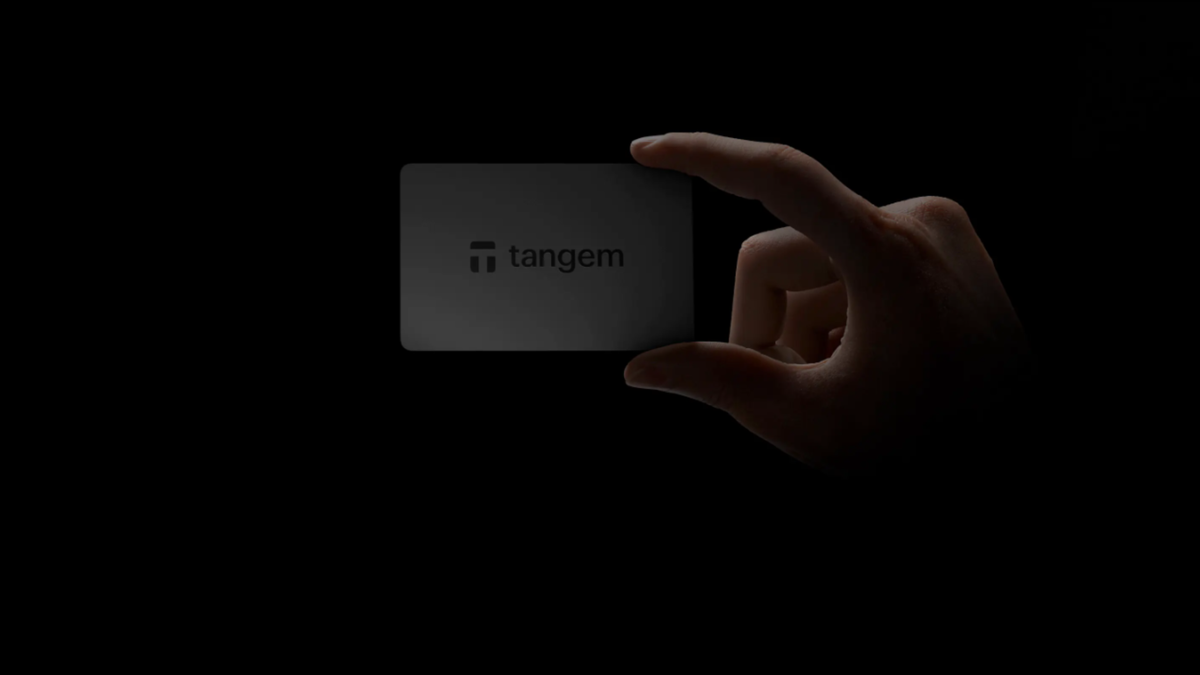
SafePal is a hardware wallet designed to securely manage cryptocurrencies, including Toncoin.
The SafePal S1 wallet features advanced security features such as an EAL5+ secure element chip and air-gapped signatures. These features help keep private keys safe offline, protecting against potential online threats.
Key features of SafePal include support for a wide range of cryptocurrencies, convenient integration with Binance for spot trading, and a simple interface. This wallet allows users to manage, exchange, and trade assets.
SafePal's combination of security, functionality, and ease of use makes it a popular choice among cryptocurrency users.
4. Tonhub

Tonhub is a non-custodial wallet available in both mobile and browser versions, offering complete privacy without the need for registration or user identification. Tonhub includes several additional features to protect user assets, including PIN codes and biometric login.
One of Tonhub's main advantages is its compatibility with other cryptocurrency wallets on the TON blockchain.
In addition to basic storage and transfer functions, Tonhub allows users to stake crypto with various pools. The application also includes a built-in Web3 browser.
However, some users have reported frequent issues with application updates and occasional downtime.
5. OpenMask

OpenMask is a non-custodial browser plugin cryptocurrency wallet that supports TON tokens and NFTs (non-fungible tokens).
Users can store Toncoin, receive and send crypto, as well as buy and exchange cryptocurrencies. Exchanges are processed through platforms such as DeDust, Ston.fi, StealthEX, and ChangeHero.
This wallet also supports Web3, allowing interaction with smart contracts and connection to decentralized applications.
Despite its ease of use, OpenMask has some drawbacks, such as regular application crashes, unexpected reboots, and frequent issues with integrating with Ledger hardware wallets.
Which wallet should you choose?
All the wallets mentioned above offer users a certain level of security, along with a wide range of additional functionalities.
If security is your top priority, a non-custodial wallet is likely the best choice. However, if convenience and user support are more important, a custodial wallet might be more suitable.
For beginners who might be intimidated by the technical details of typical wallet applications, the Wallet in Telegram could be the most appropriate option.
Custodial wallets may carry a higher risk of hacking, so it's important to use trusted and proven services. Non-custodial wallets are more secure, but they require a higher level of responsibility from the user.
Generally, experienced users tend to store their long-term cryptocurrency investments in hardware-based non-custodial wallets.
Comparison Table of 5 TON Wallets



แชร์:
4 Interesting Bitcoin Wallets in 2024
When transferring XRP from an exchange to a hardware wallet, do I need to include a Memo/Tag?